Smart Factories and Future of Work
What 100 assessments taught me about change management
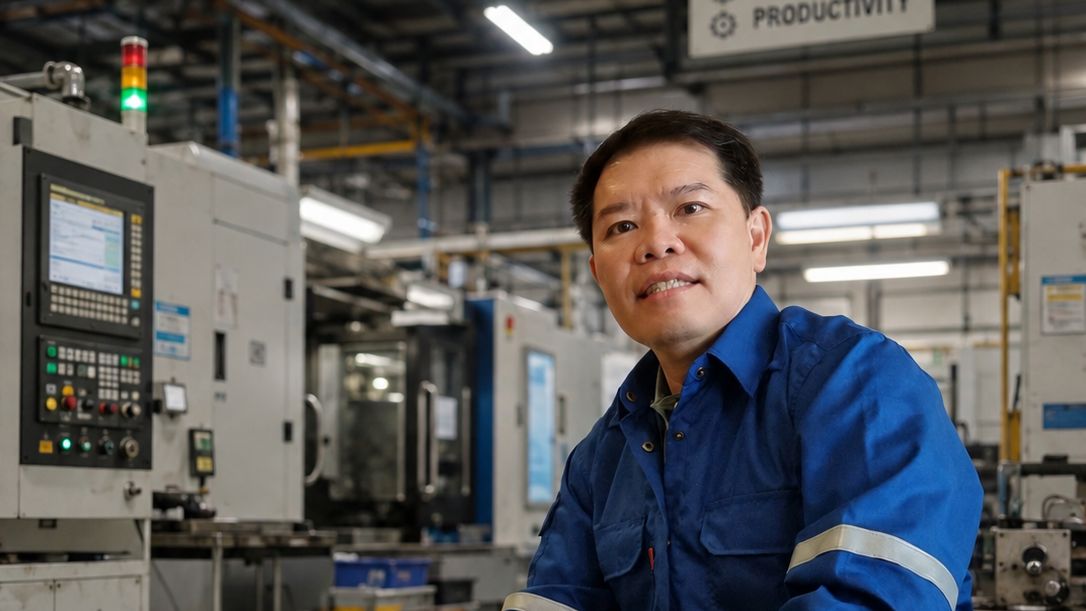
Walk into two plants that bought the same sensors, the same dashboards, and the same MES upgrade, and you can usually tell within an hour which one it actually worked at. It is not in the technology. It is in how people talk about it. In one plant, the operators mention the new system unprompted, correct each other on how to use it properly, and complain when it goes down. In the other, the system runs in the background while everyone quietly keeps their old spreadsheet open on a second screen. Same investment. Completely different outcome.
After 8+ years running digital maturity assessments across manufacturing, oil and gas, and precision engineering industries, backed by 15+ years in operational and quality leadership, I have stopped being surprised by this pattern. The technology choice barely predicts the outcome. Whether change was actually managed on the shopfloor does.
Resistance rarely looks like resistance
Nobody walks into a steering committee and says they refuse to use the new system. What actually happens is quieter and harder to catch. Data entry becomes optional in practice even when it is mandatory on paper. The new dashboard gets checked once a week instead of daily. Workarounds reappear a few months after go live, usually justified as “just for this one exception,” and then the exception becomes the routine. If you are only watching for open pushback in meetings, you will miss this entirely. The real signal is in the assessment data: usage rates that quietly decline, not usage rates that never started.
Shopfloor buy-in beats leadership mandate every time
The plants with the strongest adoption were rarely the ones where a mandate came down from the top. They were the ones where a shift supervisor or a senior technician became a genuine advocate, usually because they were involved early enough to shape how the tool actually fit their routine. A mandate gets compliance. A convinced supervisor gets advocacy, and advocacy is what survives after the project team leaves. I have seen beautifully specified rollouts fail because the people who had to live with the system every day were told about it rather than consulted on it, and I have seen scrappy, imperfect tools succeed because the people using them had a hand in choosing them.
The quick win trap
Quick wins are supposed to build momentum, and sometimes they do. But I have watched just as many quick wins backfire because they were chosen for visibility rather than relevance. A flashy dashboard for management is not the same as solving the problem the shopfloor actually has. When the quick win does not address a real daily frustration, it reads as theatre to the people expected to adopt it, and it makes the next initiative harder to sell, not easier. The quick wins that actually work are unglamorous: removing one manual reconciliation step, cutting one form that everybody hated filling in.
Training changes knowledge, not behaviour
Nearly every organisation I assessed had delivered training on the new system, and training attendance was rarely the gap the assessment data showed. The gap showed up later: usage that quietly declined in the months after go live, once the old habit became the path of least resistance again and nobody was watching closely. Knowing how to use a system and choosing to use it under time pressure are two different things, and only one of them gets tested in a training room.
Incentives that quietly undermine the new process
This is the one people miss most often. If a supervisor is still measured on the same throughput target that rewarded the old shortcut, they will keep taking the shortcut, no matter how good the new process is. I have reviewed transformation roadmaps that were technically sound and organisationally self defeating, because nobody had gone back to check whether the KPIs, bonuses, and informal reward structures still pointed at the old way of working. Change management is not just communication and training. It is making sure the incentives do not quietly contradict the change the roadmap calls for.
None of this shows up on a vendor’s product sheet, and none of it gets fixed by choosing a different platform. If you are further along in a transformation and want a second opinion on why adoption has stalled, that conversation usually starts with looking honestly at these five patterns before it starts with looking at the technology stack again.

Written by Damien Goh
I help manufacturers and F&B businesses turn their operational knowledge into practical AI agents and clearer digital transformation decisions. Based in Singapore.
Related reading
Want to talk about this?
Whether it sparked a question or you want to explore how it applies to your work, I am happy to chat.
Get in touch